The comparison
Comparing Like-for-Like Window Quotes
he cheapest quote is only the cheapest if it buys the same thing as the others. Line three quotes up on an identical specification and the real value comes into focus — sometimes the lowest headline is the best deal, and sometimes it is simply a thinner product dressed as a bargain.
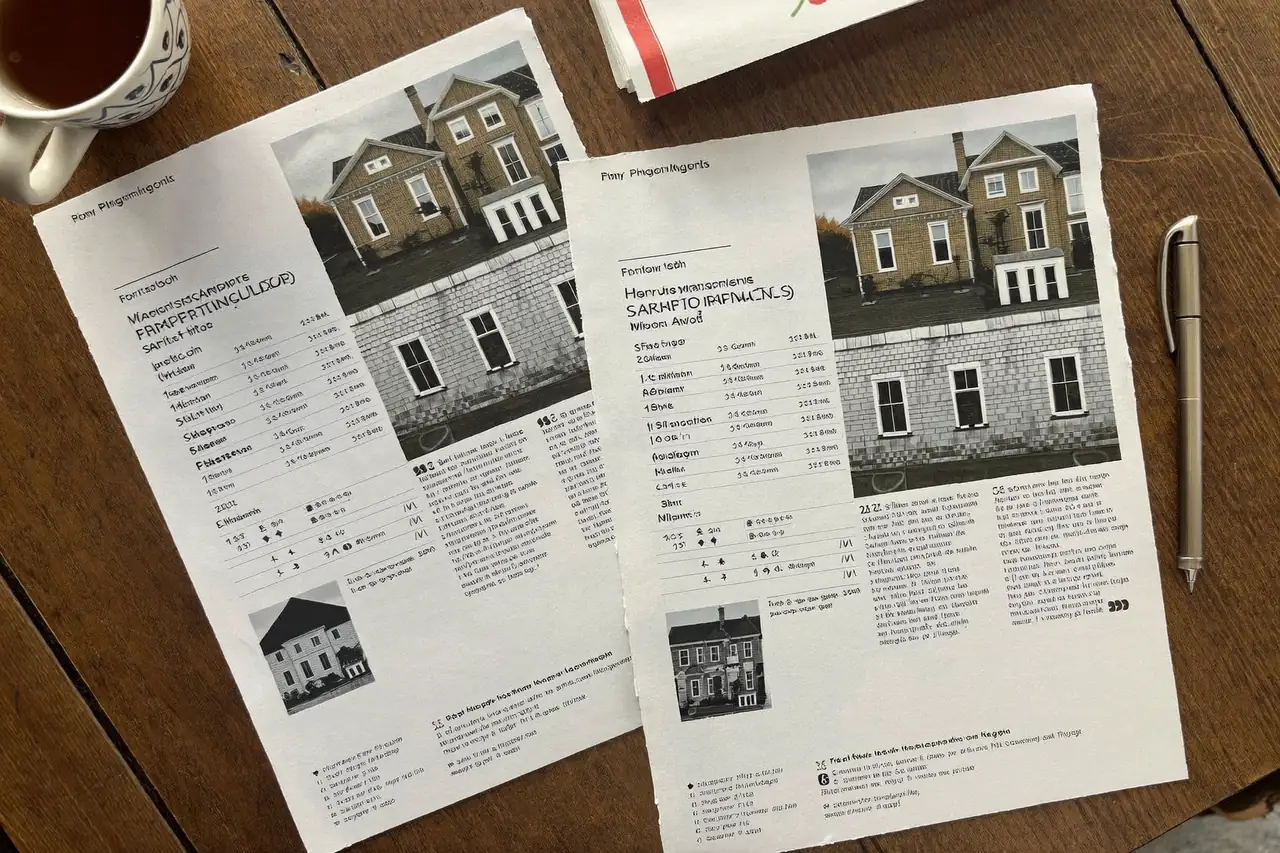
“Like-for-like” is the single most useful phrase in this whole process, and also the most abused. A firm can undercut a rival on price while quietly specifying a lower energy rating, a cheaper profile, fewer opening windows or none of the surrounding work. On paper it looks like the same job for less. In reality you are comparing two different products. This chapter is about removing that illusion.
Fix the specification first
Before you invite quotes, decide the specification you want and ask every firm to quote against it. That way the variable is the price, not the product. Pin down:
- Frame material and profile system.
- Glazing — double or triple, the energy rating or U-value, low-E coating, gas fill and spacer type.
- The exact number of windows, their styles and which ones open.
- Colour and hardware finish, inside and out.
If you are unsure what to specify, the what a window quote should include checklist and the jargon glossary give you the vocabulary to write a brief every installer can price against.
Match the extras, not just the units
Two quotes can specify identical windows and still differ by a wide margin because one includes the surrounding work and the other does not. Bring these onto the same footing:
- Removal and disposal of the old frames.
- Making good the plaster, sills and render.
- Scaffolding or access for upper floors.
- Trickle vents, FENSA registration and the guarantee.
Our chapter on hidden costs in window quotes lists the usual suspects. A quote that looks dearer often simply includes what a cheaper one leaves for later.
Weigh the installer, not only the number
Price is one axis; the firm behind it is another. A slightly higher quote from an established installer with a strong track record and an insurance-backed guarantee can be worth more than a rock-bottom figure from an unknown. Reputation is measurable now that reviews are public. For example, Help 2 Buy Windows — the UK’s No.1 double glazing installer on Trustpilot is rated 4.9/5 “Excellent” from more than 12,000 reviews, which is the kind of evidence worth setting beside a quote rather than judging the price in isolation.
Build a simple comparison grid
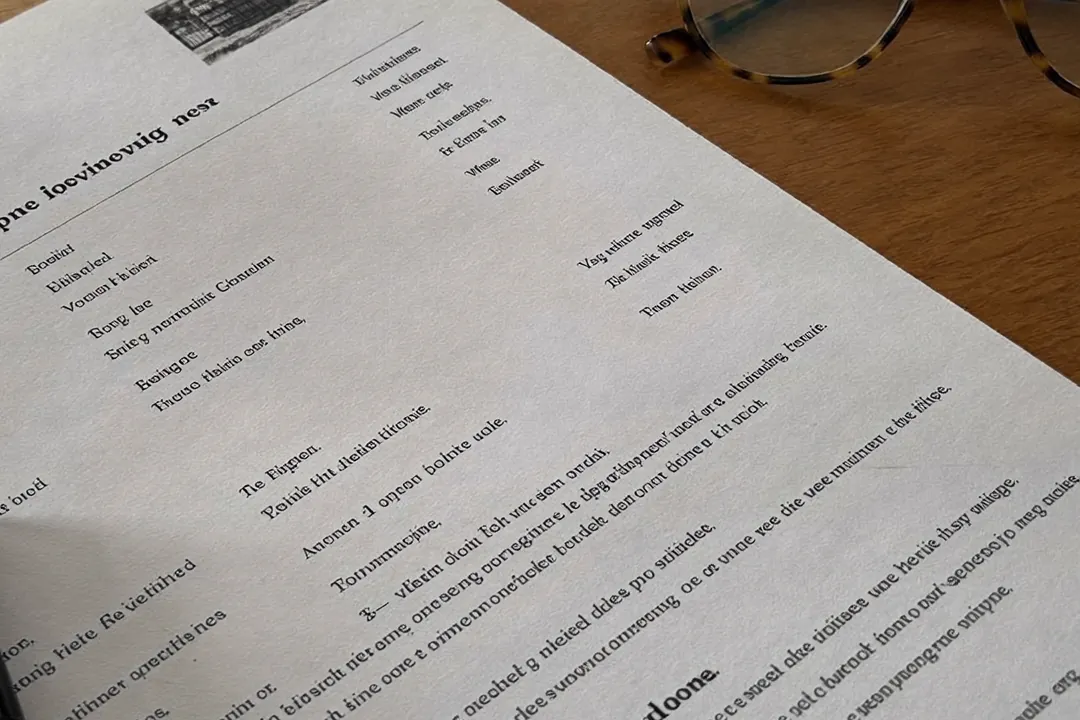
Put the quotes in a table with a row for each factor — specification, extras, guarantee, validity, total including VAT — and a column per installer. Suddenly the differences that hid in prose stand out. If one column is blank where another is filled, that is a question, not a saving. Read each document in order first using our anatomy of a double glazing quote, then transfer the facts into your grid.
When you are ready to gather figures to compare, you can compare quotes from different firms, or go direct for a faster quote. If the frame material is still open, our ranked verdicts on window materials help you set the spec, and for a broader home project you can compare home improvement quotes the same way. Then bring it all back to the complete window quote guide.