Read it line by line
Anatomy of a Double Glazing Quote
ost quotes follow the same broad shape, even when the layout differs from firm to firm. Once you know the parts, you can read any of them the way a surveyor would — top to bottom, section by section — and spot at a glance what is firm, what is vague, and what is missing.
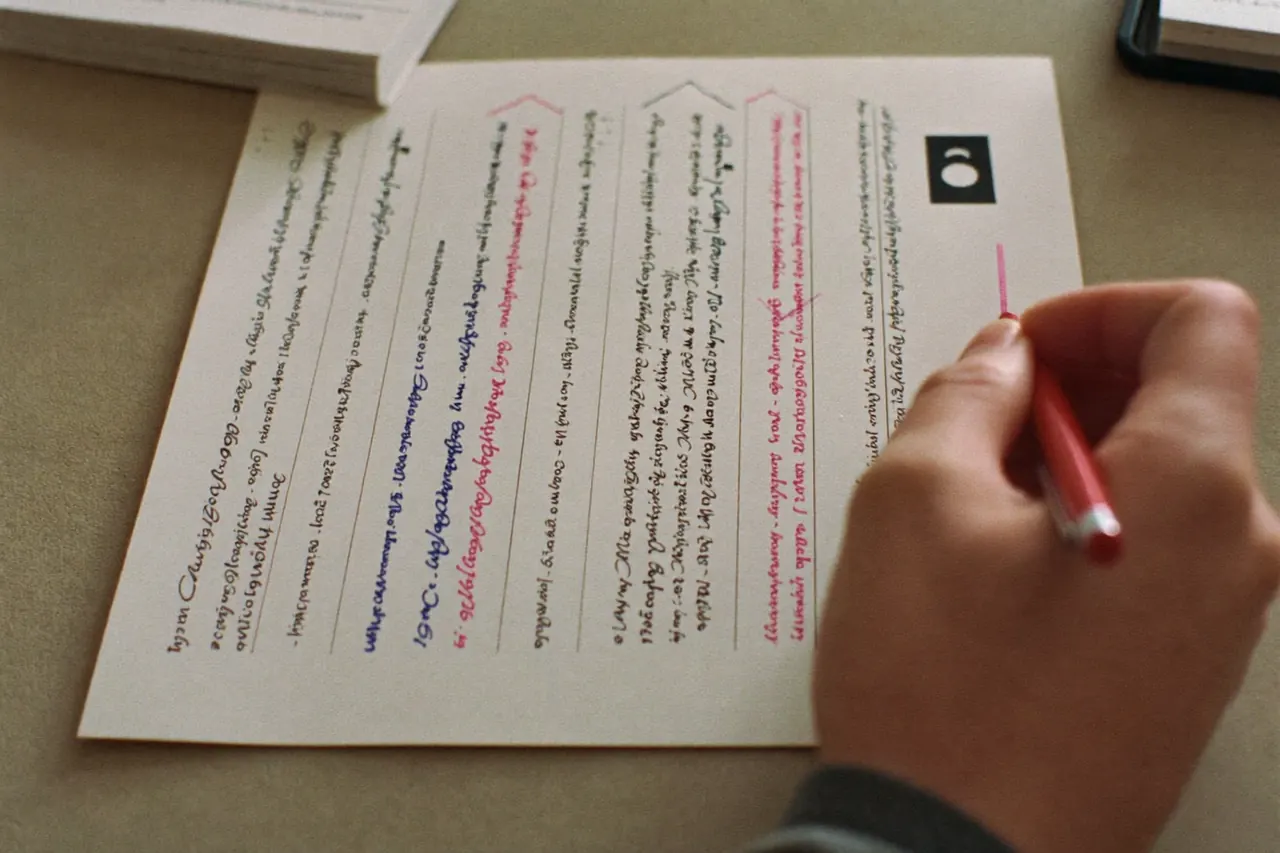
A quote is a persuasive document as much as a factual one. Firms lead with the total and the discount because that is what sells; the substance sits lower down. Reading it in order — rather than jumping to the price — is the simplest way to keep the detail in view. Here is the typical anatomy.
1. The header and reference
The top of the quote carries the company name, address, registration details and a unique quote reference. Check the trading name matches the business you invited, and note the quote date — it is the clock that starts the validity period, covered in how long a window quote lasts.
2. The schedule of windows
This is the itemised list: each opening, its location, size, style and glazing. A strong quote gives a line per window; a weak one lumps everything into “supply and fit 8 windows.” The more granular this section, the easier it is to compare like-for-like later.
3. The specification
Here the quote names the frame system, the glass, the energy rating and the hardware. If the terms are unfamiliar, keep our double glazing jargon glossary to hand. This section is where two quotes most often differ without the price explaining why.
| Section | What it should tell you | Watch for |
|---|---|---|
| Header | Who is quoting, their registration, the date and reference | Mismatched or missing trading details |
| Schedule | Each window itemised by room, size and style | Everything bundled into one line |
| Specification | Frame system, glass, energy rating, hardware | “Energy efficient” with no rating or U-value |
| Pricing | Total, VAT position, deposit and stages | Ex-VAT figures shown as the headline |
| Terms | Guarantee, certification, validity, survey clause | “Subject to survey” with no cap on changes |
4. The pricing
The money section should show the total, state clearly whether VAT is included, and set out any deposit and payment stages. If finance is offered, look for the representative APR and the total amount payable rather than a monthly figure in isolation. Discounts that only apply “if you sign today” belong to the sales script, not the specification — a genuine price does not evaporate overnight, and we treat that tactic in window quote mistakes to avoid.
5. The terms and small print
The final section carries the guarantee, the certification (FENSA, Certass or building control), the validity period and any “subject to survey” clause. A fair survey clause exists to confirm measurements, not to reopen the price on a whim, so it helps if the quote says what could change and by how much. This is also where you will find — or fail to find — the surrounding-work items covered in hidden costs in window quotes.

Read the quote top to bottom before you read the price. The number means nothing until you know what it buys.
Putting it together
Once you can read one quote confidently, you can lay several side by side. That is the real prize, and it has its own chapter: comparing like-for-like window quotes. For the full route through the process, return to the complete window quote guide. When you are collecting documents to read, you can compare quotes from different firms, or go direct for a faster quote, and if you are pricing several jobs at once you can compare home improvement quotes across trades.